
Introduction to Homemade Gluten Free Pizza Dough
Making homemade gluten-free pizza dough is not only a satisfying culinary adventure but also a delightful way to enjoy a classic dish tailored to your dietary needs. With just a handful of simple ingredients, you can create a crust that is both delicious and versatile, perfect for any topping you desire. Whether you’re a seasoned cook or a novice in the kitchen, this recipe ensures that you can whip up a pizza that rivals your favorite pizzeria.
The beauty of this dough lies in its ease of preparation. You don’t need to be an expert baker to achieve a perfect crust; the combination of gluten-free flour, baking powder, and yeast provides the right structure and flavor. Plus, the dough is ready in under an hour, making it a fantastic option for those busy weeknights when you crave something homemade yet quick.
So, why should you try making your own gluten-free pizza dough? For one, it allows you to control the ingredients, ensuring that your meal is both healthy and tailored to your personal preferences. You can experiment with different toppings, sauces, and cheeses, transforming each pizza night into a unique experience. And let’s not forget about the satisfaction that comes from creating something from scratch—there’s nothing quite like the aroma of freshly baked pizza wafting through your home.
In this guide, we’ll walk you through the ingredients, preparation steps, and tips for achieving the perfect crust. So, roll up your sleeves and get ready to impress your friends and family with your homemade gluten-free pizza!
Key Ingredients for Homemade Gluten Free Pizza Dough
Gluten-Free All-Purpose Flour (2 cups)
This flour blend is the foundation of your pizza dough, providing the necessary texture and structure without gluten. It typically includes a mix of starches and flours that mimic the properties of traditional wheat flour, ensuring a deliciously light crust.
Salt (1 teaspoon)
Salt enhances the flavor of your dough and is crucial for balancing the overall taste. It also plays a role in the fermentation process, helping to regulate yeast activity and improve the dough’s texture.
Baking Powder (1 teaspoon)
Baking powder acts as a leavening agent in gluten-free recipes, giving the dough a light and airy structure. This ingredient ensures your pizza crust rises properly, resulting in that perfect bite.
Olive Oil (1 tablespoon)
Olive oil adds moisture and richness to the dough, making it more enjoyable to eat. It also helps create a crisp crust when baked, enhancing the overall flavor profile of your pizza.
Warm Water (1 cup)
Warm water activates the yeast, helping to create a fluffy and well-risen dough. The temperature is crucial, as it should be warm enough to activate the yeast without being too hot, which could kill it.
Sugar (1 teaspoon)
Sugar serves as food for the yeast, promoting fermentation and helping the dough rise. It also contributes a subtle sweetness that balances the savory elements of your pizza.
Active Dry Yeast (1 packet)
This ingredient is essential for leavening your dough. Active dry yeast ferments the sugars, producing carbon dioxide that causes the dough to rise, resulting in a light and airy crust.

Why You’ll Love This Recipe
Creating your own homemade gluten-free pizza dough is a game changer for pizza lovers who need to avoid gluten. Not only is it quick and simple to make, but it also allows you to customize your pizza exactly how you like it, from the thickness of the crust to the toppings you choose.
One of the best aspects of this recipe is its versatility. You can easily experiment with different flavors by incorporating herbs or spices into the dough or by trying out various sauces and toppings. Whether you prefer a classic margherita, a veggie-loaded delight, or a meat feast, this dough serves as the perfect base for all your culinary creations.
In just about 45 minutes, you can have a delicious pizza ready to bake, making it an ideal choice for busy weeknights or casual gatherings with friends. Plus, the satisfaction of seeing your homemade pizza come to life as it rises and bakes is unmatched. Forget the takeout – with this homemade gluten-free pizza dough, you can enjoy a fresh, warm pizza right from your oven, tailored to your tastes and dietary needs.
So grab your ingredients and get ready to delight your taste buds with a pizza that’s not only gluten-free but also bursting with flavor and freshness!
Variations of Homemade Gluten Free Pizza Dough
Herb-Infused Dough
Adding fresh or dried herbs like basil, oregano, or garlic powder to your dough can elevate its flavor profile dramatically. This simple variation allows you to customize the taste to complement your toppings perfectly, making each pizza a unique culinary experience.
Cheese-Stuffed Crust
For a fun twist, consider making a cheese-stuffed crust. Simply roll out the dough, place string cheese or your favorite cheese along the edge, and fold the dough over to encase it. This variation adds a delightful surprise to every bite, perfect for cheesy pizza lovers!
Whole Grain Option
If you want to add more nutrients and fiber, you can substitute a portion of the gluten-free all-purpose flour with a whole grain gluten-free flour, such as brown rice flour or quinoa flour. This change not only boosts the nutritional value but also introduces a nuttier flavor that pairs well with various toppings.
Pizza Without Yeast
For a quicker option, you can make a no-yeast pizza dough by using baking powder as the leavening agent only. This variation results in a denser crust but can be a time-saver when you’re in a pinch for a delicious homemade pizza. Simply mix the dry ingredients and wet ingredients together and bake!
Each of these variations not only keeps the essence of homemade gluten-free pizza dough but also allows for creativity in the kitchen. Whether you want to stick to the classic recipe or experiment with new flavors, you can make pizza night a fun and exciting event!
Cooking Tips and Notes
Perfecting Your Dough
When making homemade gluten-free pizza dough, ensure your ingredients are at room temperature for better mixing and activation. Kneading the dough for just a few minutes is key; overworking it can make the crust tough. Allowing the dough to rise in a warm environment helps activate the yeast, giving your crust a delightful, airy texture.
Getting the Right Thickness
Roll out your dough to your desired thickness, keeping in mind that thinner crusts will bake faster and become crispier, while thicker crusts will take a bit longer and yield a chewier texture. If you prefer a more traditional pizza experience, aim for about 1/4 inch thickness.
Baking Tips
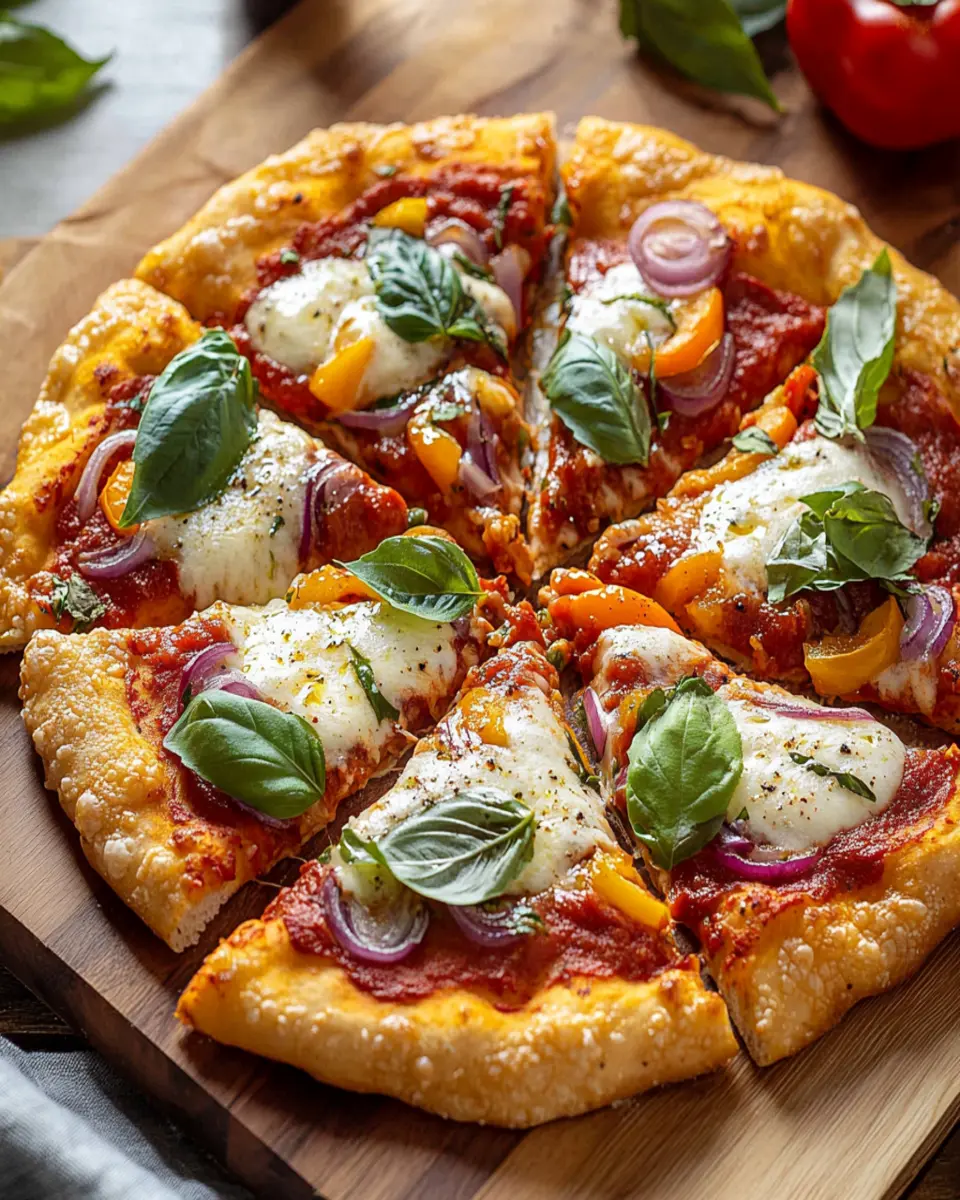
Preheating your oven to 475°F (245°C) is crucial for achieving a golden-brown crust. Using a pizza stone can significantly enhance the baking process by retaining heat and creating a crispy bottom. If you’re using a baking sheet, consider lining it with parchment paper to prevent sticking and make for easier cleanup.
Storing Leftovers
If you have leftover dough, store it in an airtight container in the fridge for up to 3 days. You can also freeze it for longer storage. Just be sure to let it thaw in the fridge before using it again. This flexibility allows you to whip up a quick pizza whenever the craving strikes!
Serving Suggestions
Classic Toppings
When it comes to topping your homemade gluten-free pizza dough, the options are endless! For a classic approach, consider using marinara sauce, fresh mozzarella, and a sprinkle of basil. This combination allows the dough’s flavor to shine through while providing that authentic Italian taste.
Gourmet Combinations
For those looking to elevate their pizza night, think outside the box with gourmet toppings. Try a combination of goat cheese, figs, and arugula for a sweet and savory delight, or go for a spicy twist with jalapeños, smoked gouda, and pulled pork. These unique combinations will impress your guests and create a memorable meal.
Pairing with Sides
To round out your pizza experience, consider pairing your homemade pizza with a fresh salad or roasted vegetables. A simple arugula salad drizzled with olive oil and lemon juice complements the richness of the pizza, while roasted vegetables add a hearty touch. This way, you can enjoy a balanced meal that satisfies every craving.
Time Breakdown
Preparation
The preparation time for this homemade gluten-free pizza dough is just 10 minutes, making it a quick and easy option for busy weeknights or last-minute cravings.
Cooking/Baking
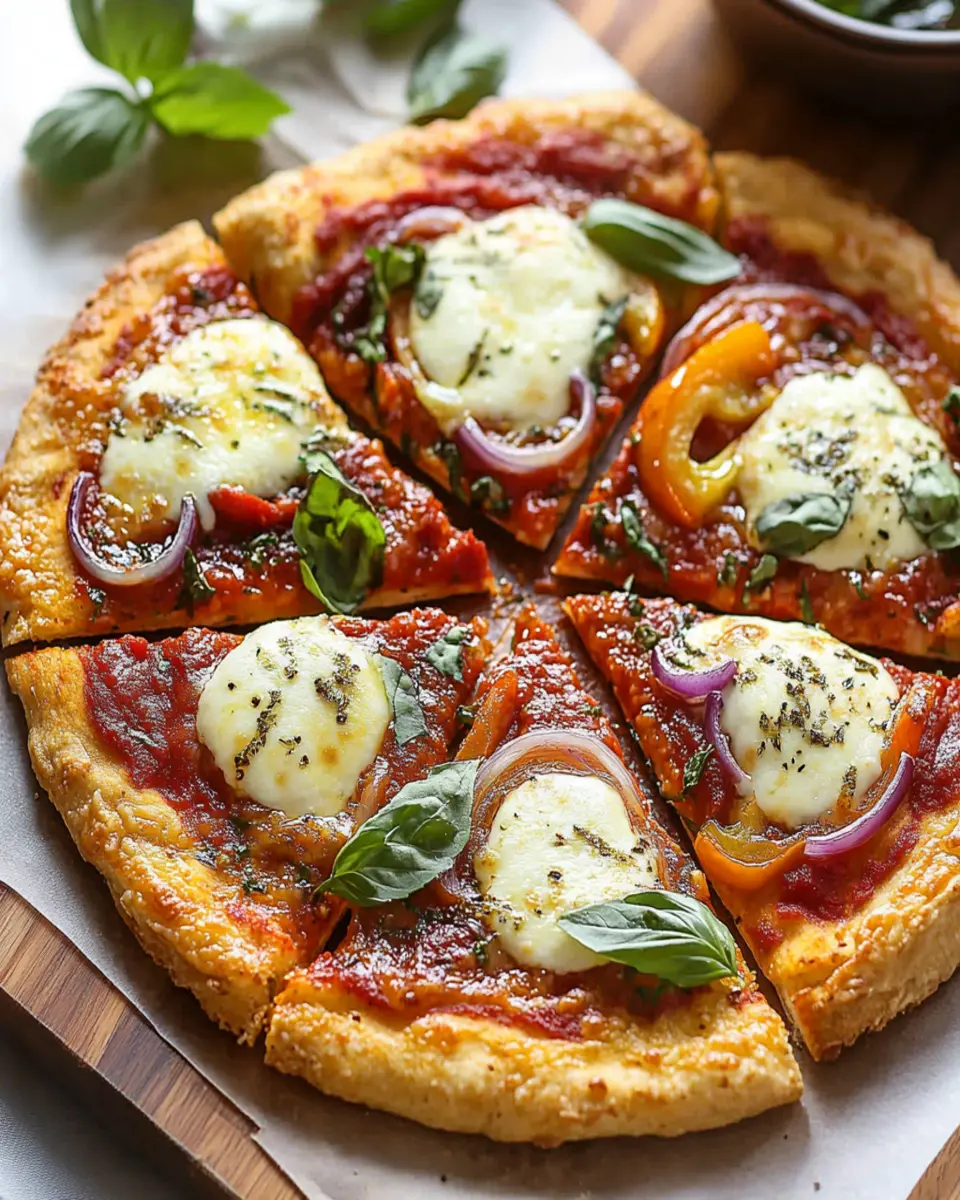
Once the dough is prepared and topped with your favorite ingredients, it will take approximately 15 minutes to bake in the oven. This allows the crust to become golden and crispy, while the toppings heat through.
Total
In total, you can have a delicious homemade gluten-free pizza ready in about 45 minutes, from start to finish. This makes it a fantastic meal option that doesn’t require hours of cooking! Plus, you can enjoy the satisfaction of making it from scratch.
Nutritional Facts
When enjoying homemade gluten-free pizza dough, it’s good to know the nutritional information it offers. Each serving contains approximately 150 calories, making it a reasonable option for pizza night. The dough has 24 grams of carbohydrates, 2 grams of fiber, and 3 grams of protein, providing a satisfying meal without overwhelming your daily nutrient intake.
Additionally, this pizza dough is low in sugar, with only 0 grams per serving, and contains 5 grams of total fat, which includes both saturated and unsaturated fats. With 200 milligrams of sodium, it’s also a heart-healthy choice when paired with fresh ingredients and toppings of your choice. Enjoy your pizza knowing it fits into a balanced diet!
FAQ Based on ‘People Also Ask’
Can I use regular flour instead of gluten-free flour?
Using regular flour instead of gluten-free flour will change the texture and make the dough unsuitable for those with gluten sensitivities or celiac disease. It’s best to stick to the gluten-free all-purpose flour specified in the recipe for the best results.
How should I store leftover dough?
Leftover dough can be stored in an airtight container in the fridge for up to three days. Alternatively, you can freeze the dough for longer storage, allowing you to have homemade gluten-free pizza dough ready whenever you need it.
How do I know when the dough has risen enough?
The dough should ideally double in size after about 30 minutes of rising in a warm place. It should feel slightly puffy and airy to the touch, indicating that the yeast has done its job effectively.
Conclusion
In conclusion, making your own homemade gluten-free pizza dough is not only simple but also rewarding. With just a few ingredients and a little bit of time, you can create a delicious crust that caters to your dietary needs. This recipe allows for creativity in toppings and flavor, ensuring that every pizza night can be a unique experience. So, gather your ingredients, roll up your sleeves, and enjoy the satisfaction of creating a homemade pizza that you and your loved ones will cherish. Don’t forget to cook, save, share, or comment on your pizza creations!
Print
Homemade Gluten Free Pizza Dough
- Total Time: 45 minutes
- Yield: 1 pizza crust 1x
- Diet: Gluten Free
Description
This homemade gluten-free pizza dough is easy to make and perfect for your favorite toppings.
Ingredients
- 2 cups gluten-free all-purpose flour
- 1 teaspoon salt
- 1 teaspoon baking powder
- 1 tablespoon olive oil
- 1 cup warm water
- 1 teaspoon sugar
- 1 packet active dry yeast
Instructions
- In a small bowl, combine warm water, sugar, and yeast. Let it sit for about 5 minutes until frothy.
- In a large bowl, mix gluten-free flour, salt, and baking powder.
- Add olive oil and the yeast mixture to the flour mixture. Stir until combined.
- Knead the dough for a few minutes until smooth and elastic.
- Let the dough rise in a warm place for about 30 minutes.
- Preheat your oven to 475°F (245°C).
- Roll out the dough on a floured surface to your desired thickness.
- Add your favorite toppings and bake for 12-15 minutes or until golden brown.
Notes
- Store any leftover dough in an airtight container in the fridge.
- This can also be frozen for later use.
- Prep Time: 10 minutes
- Cook Time: 15 minutes
- Category: Dough
- Method: Baking
- Cuisine: Italian
Nutrition
- Serving Size: 1 slice
- Calories: 150
- Sugar: 0
- Sodium: 200
- Fat: 5
- Saturated Fat: 1
- Unsaturated Fat: 4
- Trans Fat: 0
- Carbohydrates: 24
- Fiber: 2
- Protein: 3
- Cholesterol: 0