
Introduction to Toasting Almonds
Toasting almonds is a simple yet transformative technique that enhances their flavor and crunch, making them a delightful addition to various dishes or a satisfying snack on their own. Whether you’re a seasoned cook or a busy professional looking to elevate your homemade meals, learning how to toast almonds can add a gourmet touch to your culinary repertoire. In this guide, we’ll walk you through two straightforward methods to achieve perfectly toasted almonds: the oven method and the stovetop method.
Toasting almonds in the oven allows for even cooking and is ideal when preparing larger batches, while the stovetop method offers a quick and easy alternative for those pressed for time. Whichever method you choose, the result will be a batch of golden, fragrant almonds that can enhance salads, desserts, or simply be enjoyed as a crunchy snack. So let’s dive in and discover how to toast almonds (2 ways!) and bring out their natural nuttiness!
Key Ingredients for Toasting Almonds
Raw Almonds (1 cup)
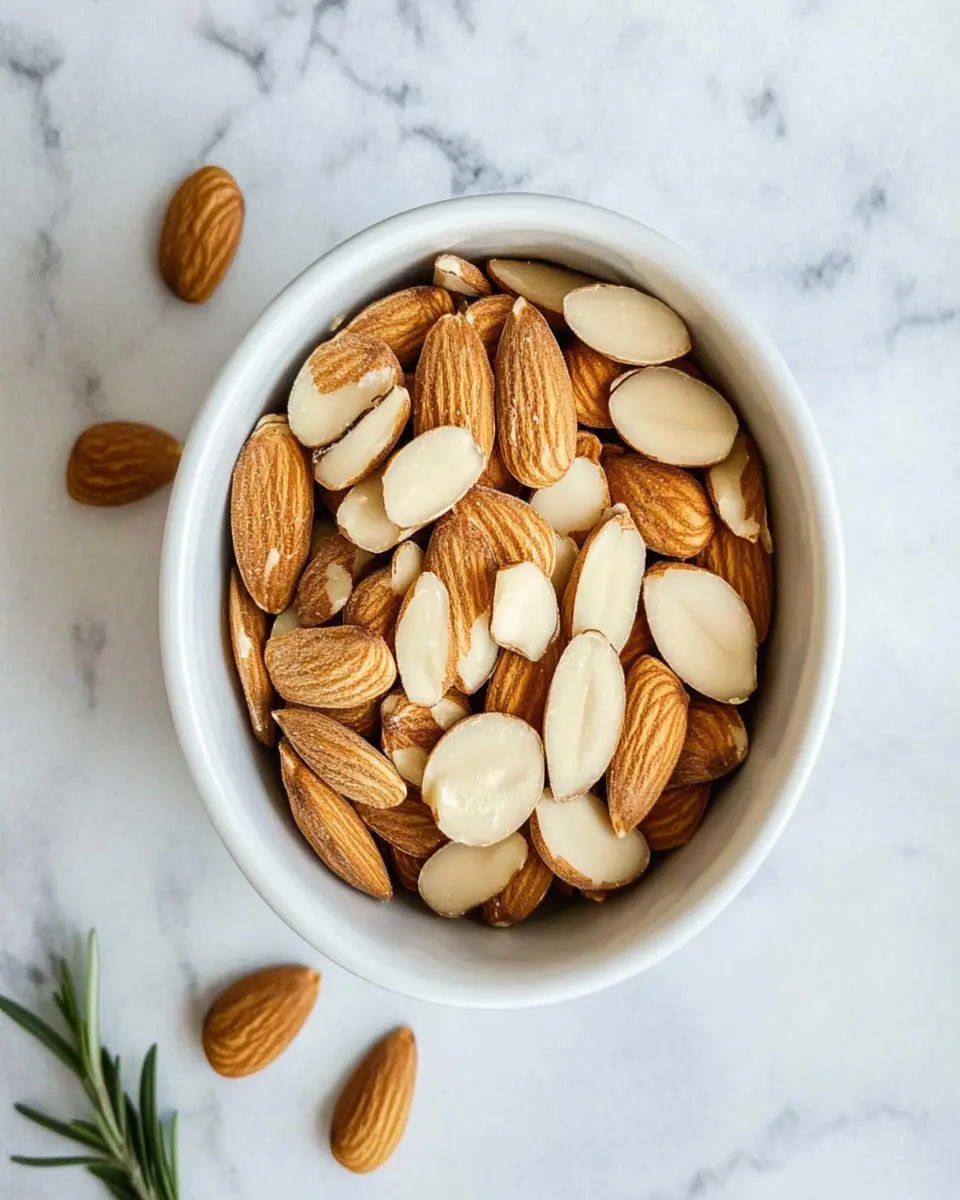
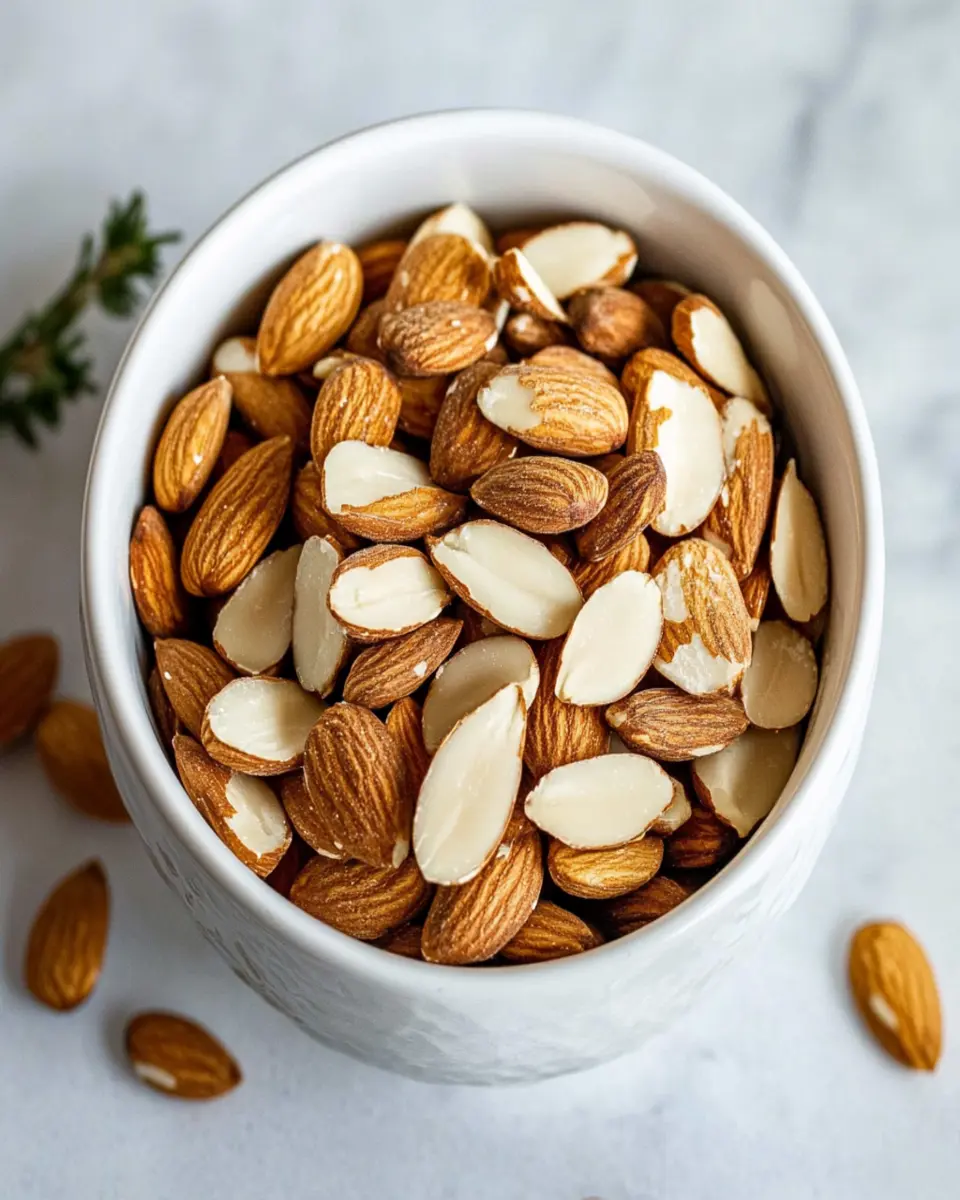
Raw almonds are the star ingredient in this recipe. Their natural flavor becomes more intense and rich once toasted, making them a perfect addition to both sweet and savory dishes. When toasting, always choose high-quality raw almonds for the best results.

Why You’ll Love This Recipe
Toasting almonds is an easy way to elevate your culinary creations, adding a rich, nutty flavor and delightful crunch to any dish. Whether you’re sprinkling them over salads, incorporating them into baked goods, or simply enjoying them as a snack, this recipe teaches you how to toast almonds (2 ways!) in just minutes.
One of the best aspects of this recipe is its simplicity. With just one key ingredient—raw almonds—and two straightforward methods, you can achieve perfectly toasted almonds that enhance your meals without a lot of fuss. Plus, toasting at home allows you to control the degree of toasting, ensuring they are just the way you like them.
Moreover, toasted almonds are not only delicious but also healthy. Packed with nutrients, they provide heart-healthy fats, protein, and fiber, making them a great addition to a balanced diet. So, whether you’re a busy professional looking to save time or a homemade-food lover eager to impress, this recipe is a must-try!
Variations on Toasting Almonds
Flavor Infusions
If you’re looking to add a twist to your toasted almonds, consider infusing them with flavors. Simply toss the raw almonds with a bit of olive oil and your favorite seasonings before toasting. Try adding spices like paprika, garlic powder, or even a touch of cayenne for a spicy kick. Sweet options can include cinnamon or a drizzle of maple syrup for a delightful contrast.
Sweetened Toasted Almonds
For a sweet treat, you can coat the almonds with a bit of honey or maple syrup before toasting. This creates a caramelized outer layer that not only enhances the flavor but also adds a crunchy texture. Just be mindful of the cooking time, as the sugars can burn quickly. A sweetened batch makes for a perfect topping on yogurt or ice cream!
Savory Variations
Create savory toasted almonds by mixing them with herbs and spices. Consider tossing them with rosemary, thyme, or even a sprinkle of Parmesan cheese before toasting. These savory options make for a perfect party snack or a flavorful addition to salads and grain bowls.
By experimenting with these variations, you can enjoy a range of flavors and textures, making your toasted almonds a versatile ingredient in your kitchen.
Cooking Tips and Notes
Toasting almonds can be a straightforward process, but a few tips can ensure you achieve the best results. Remember to keep an eye on the almonds while they toast, as they can go from perfectly golden to burnt in a matter of seconds. Stirring them occasionally during the toasting process helps promote even cooking and prevents any from getting too dark.
When using the oven method, preheating it to 350°F (175°C) is crucial for consistent results. Spread the almonds in a single layer on the baking sheet to allow for proper airflow and heat distribution. If you’re short on time, the stovetop method is a quick alternative, but be sure to stir frequently to avoid burning.
Another helpful tip is to toast almonds in smaller batches. This not only helps achieve even toasting but also makes it easier to monitor their progress. Once toasted, let them cool before storing to maintain their crispiness. With these tips, you’ll be well on your way to mastering how to toast almonds (2 ways!) with delicious results.
Serving Suggestions
Toasted almonds are incredibly versatile and can enhance a variety of dishes, making them a perfect addition to your kitchen repertoire. For a quick snack, enjoy them on their own or toss them into a trail mix along with dried fruits and other nuts for a satisfying energy boost.
Salads and Grain Bowls
Add toasted almonds to salads and grain bowls for a delightful crunch and nutty flavor. They pair wonderfully with leafy greens, quinoa, or roasted vegetables, providing not just texture but also a boost of protein and healthy fats.
Baking and Desserts
Incorporate toasted almonds into your baking by adding them to cookies, muffins, or even granola. Their rich flavor shines through in desserts, and they also make an excellent topping for ice cream or yogurt, transforming simple treats into gourmet delights.
These serving suggestions show just how easy it is to elevate your everyday meals with toasted almonds, helping you enjoy their deliciousness in a variety of ways.
Time Breakdown
Toasting almonds is a quick and rewarding process that can easily fit into your busy schedule. Here’s a breakdown of the time involved:
Preparation
5 minutes – This includes gathering your ingredients and preheating your oven or skillet.
Cooking/Baking
- Oven Method: 10-12 minutes – Bake until golden and fragrant, stirring occasionally for even toasting.
- Stovetop Method: 5-7 minutes – Stir frequently to achieve your desired toast level.
Total
15-20 minutes – With just a bit of prep and cook time, you can enjoy deliciously toasted almonds in no time!
Efficiency Tip
For the best results, consider toasting a larger batch at once. You can store them for later use, making it easy to add a nutritious crunch to your meals throughout the week.
Nutritional Facts
Toasted almonds are not only delicious but also packed with nutrients. Each serving of 1 ounce (about 23 almonds) contains approximately 160 calories, making them a great snack option for those mindful of their caloric intake.
Macronutrients
Almonds are a great source of healthy fats, with 14 grams of total fat per serving. This includes 1 gram of saturated fat and 9 grams of unsaturated fat, which are beneficial for heart health. They also provide 6 grams of protein and 6 grams of carbohydrates, including 3.5 grams of fiber.
Micronutrients
Almonds are low in sodium and contain no cholesterol, making them a heart-healthy choice. They are rich in vitamin E, magnesium, and antioxidants, contributing to various health benefits. Incorporating toasted almonds into your diet can help support overall wellness while adding flavor and crunch to your meals!
FAQ about Toasting Almonds
Toasting almonds can raise questions for both novice and experienced cooks. Here are some common inquiries that may help you understand the process better.
How do I know when my almonds are toasted?
You can tell almonds are toasted when they turn golden brown and emit a nutty aroma. It’s essential to stir them occasionally to ensure even toasting and prevent burning. Keep a close eye on them, especially toward the end of the cooking time.
Can I toast almonds without oil?
Yes, you can toast almonds without oil. Both the oven and stovetop methods work well with raw almonds alone. However, adding a little oil can enhance flavor and help seasonings stick if you choose to add spices.
How should I store toasted almonds?
Once cooled, store toasted almonds in an airtight container in a cool, dry place. They can last for several weeks; however, for optimal freshness, you might consider refrigerating them. Just ensure they are well-sealed to avoid moisture absorption.
Are toasted almonds healthier than raw almonds?
Toasted almonds retain most of their nutrients, but the toasting process can slightly alter their fat composition. However, both raw and toasted almonds are nutritious and offer health benefits. The choice often comes down to personal preference in flavor and texture.
By addressing these frequently asked questions, you can confidently enjoy the process of toasting almonds and explore their culinary versatility!
Conclusion
Toasting almonds is a simple yet rewarding process that can enhance a variety of dishes. With just one key ingredient, raw almonds, and two straightforward methods, you can create perfectly toasted almonds that elevate your snacks and meals. Whether you choose the oven or stovetop method, the deliciously nutty flavor and crunch will bring a new depth to salads, desserts, and more.
By mastering how to toast almonds (2 ways!), you can enjoy them in countless recipes or as a satisfying snack on their own. Don’t hesitate to experiment with flavors by adding spices or sweeteners to make your toasted almonds uniquely yours. So go ahead, give it a try, and enjoy the delightful rewards of your culinary efforts! Cook, save, share, and comment on your favorite ways to use toasted almonds.
Print
How to Toast Almonds (2 Ways!)
- Total Time: 15 minutes
- Yield: 1 cup 1x
- Diet: Gluten-Free
Description
Learn how to perfectly toast almonds using two simple methods. Elevate your snacks and dishes with this easy guide!
Ingredients
- 1 cup raw almonds
Instructions
- Preheat the oven to 350°F (175°C). Spread the almonds in a single layer on a baking sheet. Bake for 10-12 minutes, stirring occasionally, until golden and fragrant.
- For the stovetop method, heat a skillet over medium heat. Add the almonds and cook for 5-7 minutes, stirring frequently until they are toasted to your liking.
Notes
- Keep an eye on the almonds while toasting, as they can burn quickly.
- Cook in smaller batches for even toasting.
- Prep Time: 5 minutes
- Cook Time: 10 minutes
- Category: Snack
- Method: Baking, Stovetop
- Cuisine: American
Nutrition
- Serving Size: 1 ounce
- Calories: 160
- Sugar: 1 gram
- Sodium: 0 milligrams
- Fat: 14 grams
- Saturated Fat: 1 gram
- Unsaturated Fat: 9 grams
- Trans Fat: 0 grams
- Carbohydrates: 6 grams
- Fiber: 3.5 grams
- Protein: 6 grams
- Cholesterol: 0 milligrams